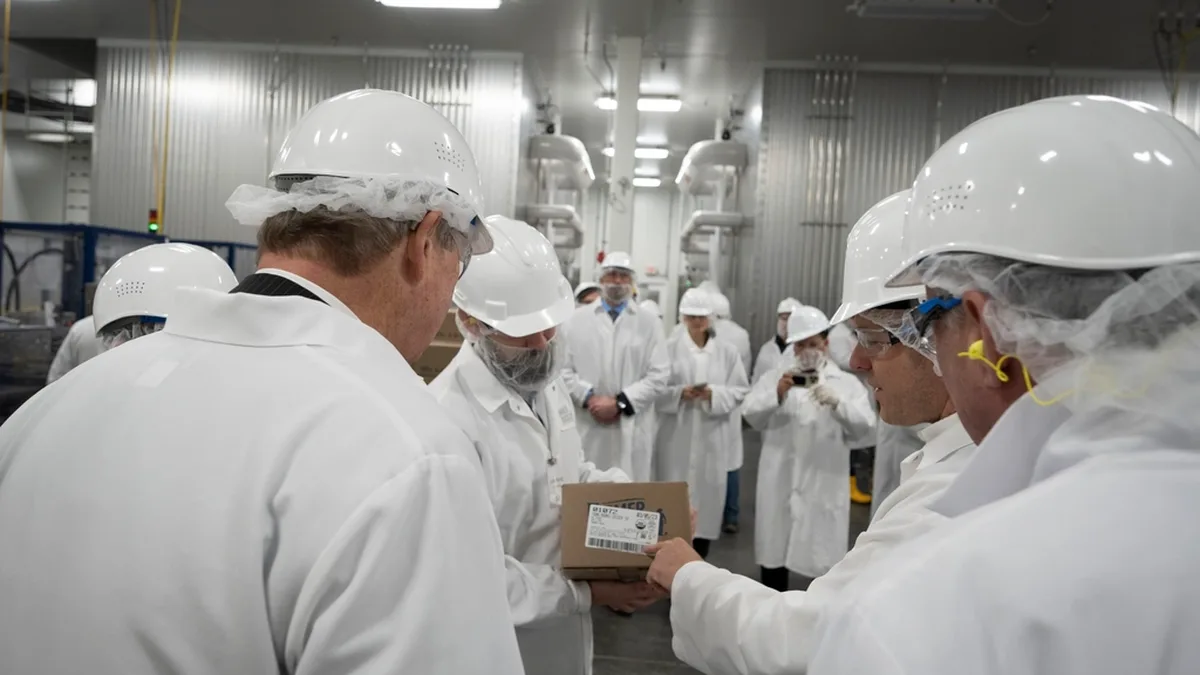
In a plant, safety checklists are essential: forklift inspections, protective equipment checks, lockout procedures. On paper, however, they create several problems.
The limits of paper
- You don't know whether the checklist was really done, or at what time.
- An anomaly noted on paper doesn't alert anyone right away.
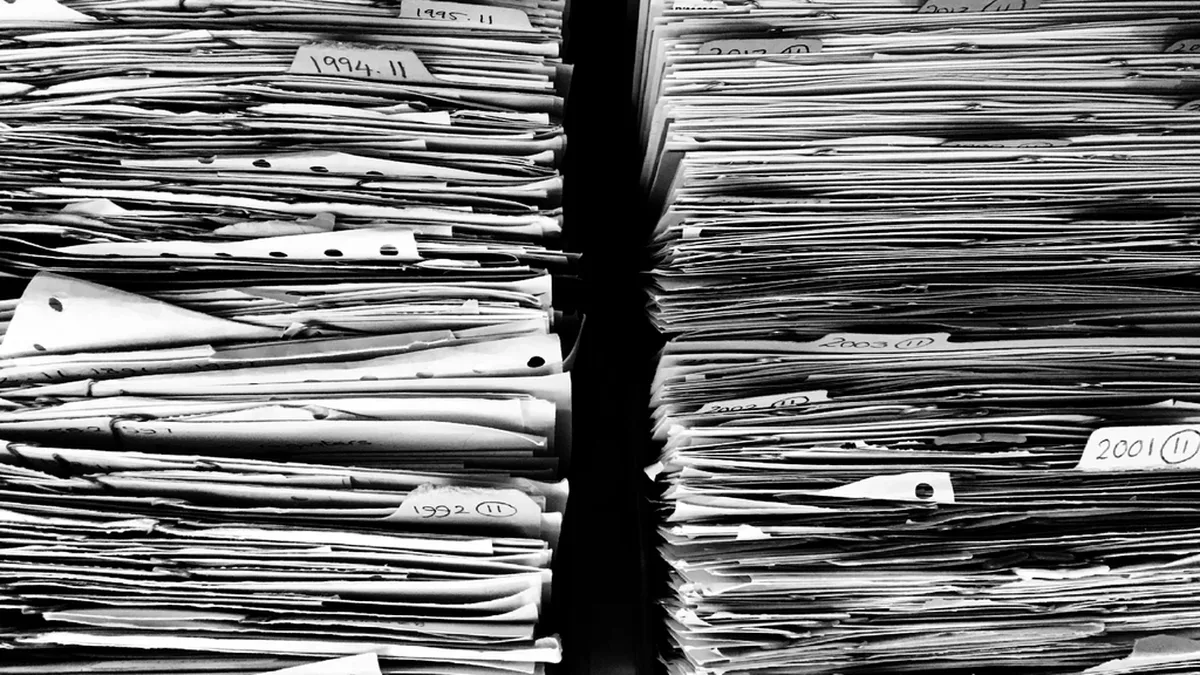
- Finding a machine's history means digging through binders.
What a digital checklist changes
Automatic timestamps. Every inspection is dated and linked to the employee who did it.
Mandatory photos. For a non-compliant item, the app can require a photo before moving on.
Immediate alerts. A "non-compliant" answer sends a notification to the supervisor or the maintenance team.
History by equipment. In two clicks, you see every inspection of a forklift or a press.
Best practices
Keep questions short and closed (yes, no, not applicable). Use rugged tablets, mounted near workstations if possible. Plan for an offline mode in areas without coverage.
Support for prevention
Complete, easy-to-search records help demonstrate your prevention efforts during an inspection visit. They also help you spot equipment that keeps showing up with anomalies. Always check your specific obligations with the CNESST.