
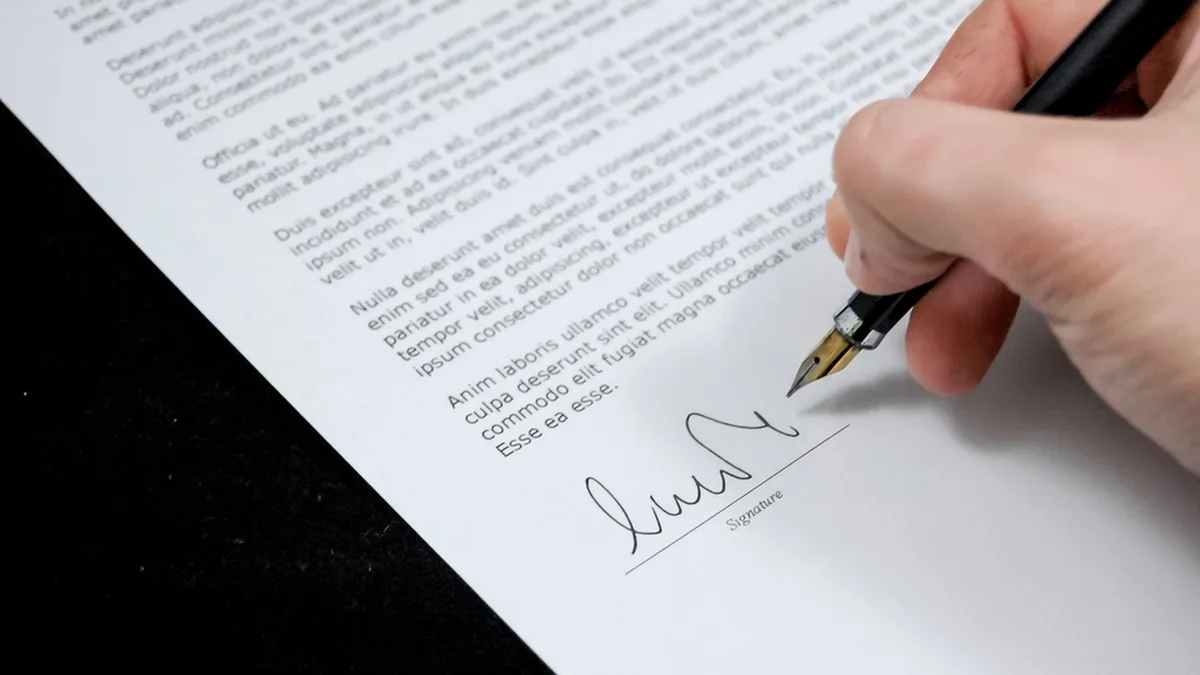
Having a client sign on a tablet, approving a work order remotely, closing a contract without printing: electronic signatures have become commonplace. But are they valid?
The framework in Quebec
In Quebec, the Act to establish a legal framework for information technology recognizes that a technology-based document can have the same value as a paper document, provided its integrity is ensured and the signature identifies the person and shows their consent.
Best practices
- Identify the signer: name, email, and ideally a confirmation by email or code.
- Preserve the document's integrity: it must not be possible to change the signed document without it showing.
- Keep a record: date, time, email address and signature history.
- Give a copy to the signer.
Common uses in SMBs
- Client signature at the end of a job or a delivery.
- Approval of a quote.
- Sign-off on a checklist by a supervisor.
- Acknowledgement of an internal policy.
Limits
Some very formal legal acts may require specific formalities. For major or unusual contracts, check with a legal professional.
In practice
For most of an SMB's day-to-day needs, a well-documented on-screen signature is a reliable, fast solution that's much simpler to archive than paper.
This article is for information only and does not constitute legal advice.